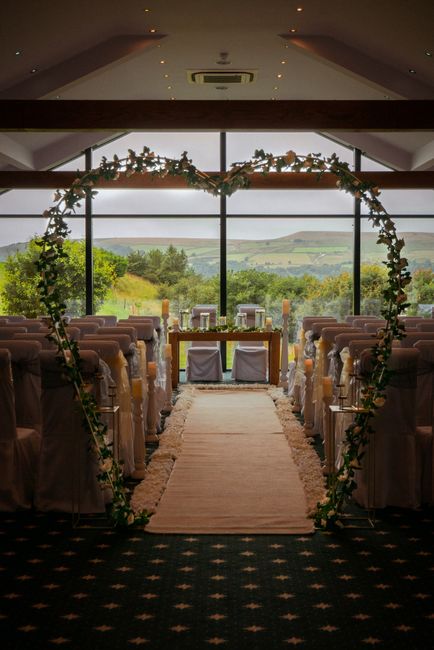
Best wedding flowers suppliers for Cray Valley venues
Posted on 03/11/2026
If you are planning a wedding in Cray Valley, the flowers can make the whole day feel polished, personal, and properly memorable. The right supplier does more than hand over a bouquet. They help you match colour, season, style, and venue layout so everything looks effortless on the day, even if the planning behind it has been anything but effortless.
This guide to the Best wedding flowers suppliers for Cray Valley venues is written for couples who want beautiful arrangements without the guesswork. You will find what to look for, how wedding floristry usually works, how to compare suppliers, where problems tend to pop up, and which floral choices tend to suit local venues best. Let's face it, wedding flowers can be one of those things that feels simple until you actually start choosing them.
Whether you are after a classic church look, something modern and airy, or full reception styling with bridal bouquets, buttonholes, and table pieces, the aim here is to help you make clearer decisions. A good florist should feel like a calm hand on the shoulder. Not a problem, not a pushy sales pitch, just useful guidance.
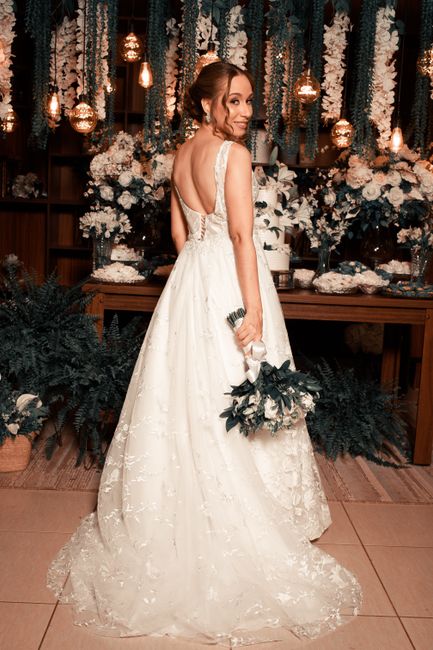
Table of Contents
- Why Best wedding flowers suppliers for Cray Valley venues Matters
- How Best wedding flowers suppliers for Cray Valley venues Works
- Key Benefits and Practical Advantages
- Who This Is For and When It Makes Sense
- Step-by-Step Guidance
- Expert Tips for Better Results
- Common Mistakes to Avoid
- Tools, Resources and Recommendations
- Law, Compliance, Standards, or Best Practice
- Options, Methods, or Comparison Table
- Case Study or Real-World Example
- Practical Checklist
- Conclusion
- Frequently Asked Questions
Why Best wedding flowers suppliers for Cray Valley venues Matters
Wedding flowers do a lot of heavy lifting. They set the tone before guests even sit down. A simple bouquet can make a bride's look feel finished; a well-chosen centrepiece can make a plain room feel intentional; and a clever buttonhole or table arrangement can quietly tie the whole event together. For Cray Valley venues, that matters even more because the space itself will shape how your flowers read in real life.
Some venues are bright and open. Others are darker, more intimate, or already full of character. The same flowers can look bold and elegant in one setting and slightly lost in another. That is why choosing among the Best wedding flowers suppliers for Cray Valley venues is not just about style. It is about fit.
In practice, the best local florists understand how to balance the venue, the season, and the couple's budget. They know that a spring wedding in soft whites and blush tones creates a different mood from a late-summer celebration with richer colours and looser shapes. They also know when to suggest a few statement pieces rather than trying to flower every surface in sight. Which, to be fair, is often the smarter move.
There is also a trust factor. Weddings run on timing, and flowers are especially unforgiving if they arrive late or are put together without enough care. A supplier with a steady process gives you peace of mind. That peace of mind is worth a lot on a morning when the hairdresser is running long and someone cannot find the page boy's shoes. Wedding mornings are like that.
How Best wedding flowers suppliers for Cray Valley venues Works
The wedding flower process usually starts with a conversation, not a product. A good supplier will ask about your venue, ceremony time, colour preferences, number of guests, and the parts of the day that matter most to you. You may think you only need a bouquet and a few table flowers, then realise you also want something for the registrar table, the aisle, the top table, and the cake area. It happens all the time.
For Cray Valley venues, the florist should also think about logistics. Will flowers need to be delivered to one location or two? Is there enough space for installation? Can arrangements be moved from ceremony to reception without looking tired? Those practical questions matter just as much as peonies versus roses, maybe more.
Many couples choose a package that includes the essentials:
- bridal bouquet
- bridesmaid bouquets
- buttonholes or boutonnieres
- table centrepieces
- ceremony arrangements
- top table or registrar flowers
Others prefer a more flexible approach, where the supplier builds around a few key items. That can work especially well if the venue already has strong features, like attractive architecture, natural light, or an elegant room layout. In those cases, less really can be more.
If you are browsing a local florist's wedding range, it helps to look at dedicated collections such as wedding collections, bridal bouquets, and table arrangements. Those pages can give you a feel for style, scale, and whether the florist leans traditional, contemporary, or somewhere in between.
Key Benefits and Practical Advantages
Choosing a good wedding flower supplier is about far more than beauty. The best suppliers make the whole planning process easier, and on a busy wedding checklist that matters a lot.
- Venue-aware design: Flowers are selected to suit the size, lighting, and style of the room.
- Better budget control: You can focus spending on the items guests will actually notice most.
- Less stress on the day: Delivery, set-up, and timing are handled more cleanly.
- Stronger visual coherence: Bouquets, buttonholes, and tables all feel connected.
- Seasonal realism: A good florist will suggest flowers that are more likely to be available and hold up well.
- Practical guidance: You get advice on stems, size, colour, and arrangement style without needing to know florist jargon.
There is also an emotional benefit, though people often forget to mention it. Flowers create pauses in the day. A bouquet before the ceremony. A soft scent when the room is opened for guests. A centrepiece that catches the light at dinner. These are small things, but they add up. They help the day feel like yours.
If you prefer a florist with a wider local offering, you can also look at a local florist in St Paul's Cray or browse the main flower delivery options to understand style and service consistency. It is a simple way to check whether the florist's standard work matches the level you want for your wedding.
Who This Is For and When It Makes Sense
This guide is useful if you are:
- planning a wedding at a Cray Valley venue and want floral styling that feels polished
- trying to compare local suppliers without getting lost in too many choices
- working with a limited budget but still want the day to look thoughtfully designed
- booked a venue already and now need flowers that complement the room
- looking for a supplier that can handle both bridal florals and reception pieces
It also makes sense if you are the person in the couple who enjoys planning details and does not mind a bit of comparing. If that is you, great. If it is not you, even better, because this kind of guide saves a lot of back-and-forth later.
Sometimes couples start by searching for bouquets only, then realise they also need flowers for parents, the cake table, or the ceremony signing table. That is normal. In our experience, the earlier you think through the full wedding flow, the easier it becomes to choose the right supplier.
For couples wanting more than just wedding pieces, a florist with a broader catalogue can also help with pre-wedding gifting or thank-you flowers. It is nice to know the same team can support things like flower shop orders and seasonal gifting too, though your wedding should always remain the priority.
Step-by-Step Guidance
If you want a smoother experience, work through the process in a sensible order. No need to rush straight into colour swatches and inspiration boards before you know the basics.
- Start with the venue. Note the room size, table style, ceremony setting, and any restrictions on candles, installation, or access.
- Choose the floral priority list. Decide what matters most: bouquet, ceremony flowers, centrepieces, or full styling.
- Set a realistic budget range. Be honest here. A clear budget helps a florist propose something workable instead of dreamy-but-unhelpful.
- Collect 3 to 5 visual references. Don't bring 40 images. That becomes noise fast. Pick examples that show shape, colour, and mood.
- Ask about seasonal options. Seasonal flowers are often fresher, easier to source, and better value.
- Discuss delivery and set-up. Especially if your venue has limited access or a tight turnover between ceremony and reception.
- Confirm final counts early. Number of bridesmaids, tables, buttonholes, and family arrangements can change surprisingly late.
- Review the proposal carefully. Check what is included, what is optional, and what could create extra cost.
A useful trick is to walk through the wedding day in your head, room by room. Where does the first flower get seen? Where will guests gather? What will be photographed most? That mental rehearsal makes supplier conversations much sharper.
If you are considering product-style wedding ranges, look at specific pieces such as bridesmaid bouquets, wedding buttonholes, and wedding corsages. Even if you do not order these exact items, they help you understand the florist's approach to scale and finish.
Expert Tips for Better Results
Small decisions make a big difference in wedding floristry. Here are the bits people often miss until it is too late.
- Match flowers to the room temperature. Warm venues are tougher on delicate blooms. Ask your florist what will last best.
- Use one hero element. A strong bouquet or top table piece is often more memorable than many small, forgettable arrangements.
- Think in layers. Your flowers should work in photos, in person, and from a distance. Not all blooms do all three equally well.
- Keep colour logic simple. Two or three main tones are usually enough. More can look busy unless handled carefully.
- Ask for a realistic substitution policy. If a stem is out of season, what will the florist use instead?
Here is something that often helps: choose one emotional word for the wedding, then build around it. Calm. Bright. Romantic. Fresh. Formal. That single word can guide everything from bouquet shape to ribbon choice. It sounds almost too simple, but it works.
And yes, some couples want "just flowers" and end up with a mini design project. That is not a bad thing. It just means your florist should be part creative partner, part logistics adult. Which, frankly, is a fairly useful combination.
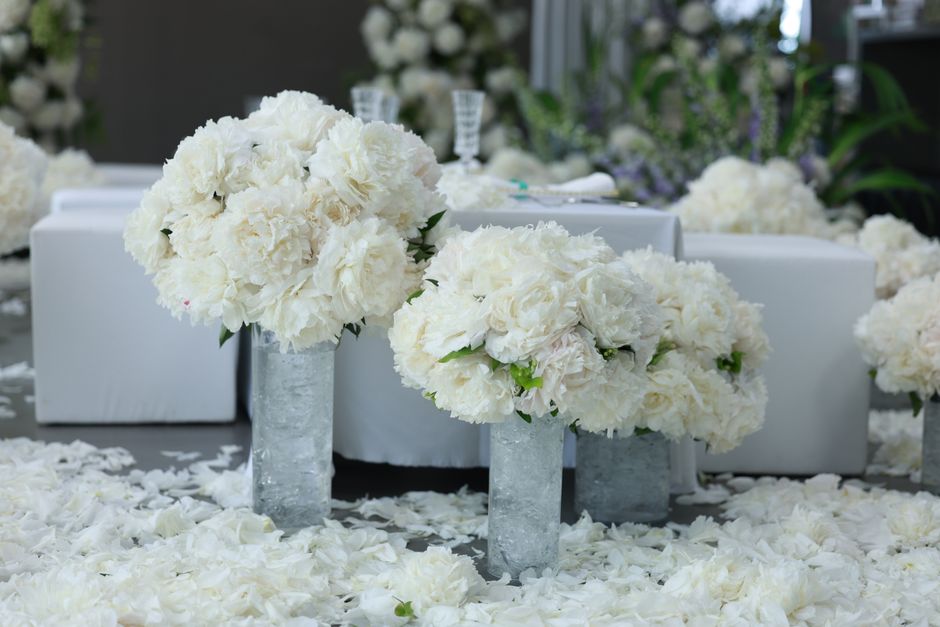
If your taste leans toward refined white styling, a collection such as white wedding flowers can be a helpful reference point. If you want something softer and more romantic, something in the style of pure romance may be closer to the mood you want.
Common Mistakes to Avoid
Most wedding flower issues are avoidable. That is the good news. The not-so-good news is that the same mistakes crop up again and again.
- Booking too late: The best wedding suppliers are often booked well ahead, especially for popular dates.
- Giving too little venue detail: A florist cannot design well without knowing the setting.
- Trying to copy one photo exactly: That image may have been taken in different lighting, season, and venue conditions.
- Over-ordering small items: Too many minor arrangements can eat the budget without adding much visual impact.
- Ignoring movement and transport: Bouquets and centrepieces need to survive the journey and still look fresh.
- Forgetting family roles: Buttonholes, corsages, and tribute flowers for close relatives are easy to miss.
One common oversimplification is assuming every venue needs the same floral approach. It does not. A modern room with clean lines might need fewer, more sculptural flowers. A traditional venue may suit fuller, softer arrangements. The venue should lead the design, not the other way around.
If the supplier also handles everyday orders, that can be a sign of reliable systems. A florist that manages broader categories like birthday flowers, funeral flowers, and other occasion work often has practical delivery and packing routines in place. Not always, but often enough to be worth noting.
Tools, Resources and Recommendations
You do not need fancy planning software to organise wedding flowers, though a few simple tools help a lot.
- Venue photos: Take screenshots or your own pictures of the room, tables, and entrance points.
- Colour notes: Keep a short list of your key tones and any colours you want to avoid.
- Guest count estimate: Helpful for centrepiece counts, buttonholes, and family flowers.
- Inspirations folder: Keep one tidy folder rather than scattering ideas across apps and messages.
- Supplier product pages: Useful for understanding bouquet style, flower type, and price bands.
For couples who want to explore broader wedding styling options, it can help to browse related collection pages such as the weddings range, luxury flowers, and best sellers. These pages are handy for spotting recurring style patterns and favourite stems.
You may also want to review practical site information before ordering, especially if your venue timing is tight. A florist's delivery details, guarantees, and flower care advice can tell you a lot about how carefully they handle orders. That sort of detail is boring right up until it saves the day.
Law, Compliance, Standards, or Best Practice
For wedding flowers, the most relevant standards are practical rather than highly regulated. In the UK, a good supplier should be clear about pricing, delivery, substitutions, and the condition of products on arrival. If a florist offers wedding delivery, it is wise to check the written terms so you understand timing, responsibility, and what happens if plans change.
Some venues in and around London also have their own rules about access, installation, or decoration. That can include when suppliers are allowed in, whether items can be attached to walls or furniture, and how waste should be removed afterwards. It is worth asking the venue early. Really early, if possible.
In best practice terms, look for a florist who:
- gives clear item descriptions and delivery expectations
- explains what may be substituted if stems are unavailable
- handles personal data carefully when taking wedding details
- sets out refund or cancellation terms in plain language
- works safely and respectfully within venue access rules
If you want to understand a florist's policies more fully, pages such as terms and conditions, privacy policy, and returns and refund information are useful to review before booking. That is just sensible planning, nothing dramatic.
There is also a quiet sustainability angle. More couples now ask where flowers come from, how they are packaged, and whether waste is reduced where possible. A supplier's sustainability approach may help you decide whether their values line up with yours.
Options, Methods, or Comparison Table
Different couples need different levels of service. There is no single right answer, but a comparison can make the decision much easier.
| Approach | Best for | Pros | Watch out for |
|---|---|---|---|
| Bridal essentials only | Small weddings, limited budgets, registry-style ceremonies | Simple, cost-controlled, easy to organise | Less visual impact across the venue |
| Focused styling package | Couples who want bouquets, buttonholes, and a few key venue pieces | Balanced, elegant, good value | Needs careful item selection so it does not feel underdone |
| Full venue floristry | Larger weddings or couples who want a strong visual theme | Highly cohesive, impressive in photos | Higher cost and more planning needed |
| Season-led design | Couples open to flexible flower choices | Fresh, often better value, more natural feel | Requires trust in the florist's substitutions |
A practical way to choose is to ask: do you want the flowers to be the main design feature, or a beautiful support to everything else? That one question usually cuts through the noise pretty quickly.
If you are comparing product styles, the florist's dedicated wedding lines such as table arrangements, buttonholes, and bridal bouquets can help you understand how much coordination is possible. It is useful even if you eventually request a bespoke design.
Case Study or Real-World Example
Imagine a couple booking a Cray Valley venue with a ceremony in one room and dinner in another. They start with a big Pinterest board, as many people do, and everything looks gorgeous in theory. Soft pinks, lots of greenery, a bit of champagne ribbon. Lovely. But when they look at the actual venue, they realise the ceremony space is quite compact and the reception room already has warm wall tones and strong lighting.
So the florist simplifies the plan. The bridal bouquet keeps the romantic palette. The bridesmaids get smaller, lighter versions so they do not overpower the dress line. Instead of placing flowers everywhere, the team creates one statement ceremony arrangement and two medium table pieces that can be moved later. The buttonholes stay clean and minimal. The result is calmer, more elegant, and easier on the budget.
That kind of adjustment is where a good supplier really earns their keep. Not by saying yes to every request, but by knowing what will actually work in the room. Truth be told, that is usually what couples are hoping for anyway.
For a flower style that feels cohesive from ceremony to reception, collections such as true happiness, the perfect match, or everlasting love can be useful references when discussing tone and design direction.
Practical Checklist
Use this checklist before you confirm a supplier. It keeps the process grounded.
- Have you shared the venue name and layout details?
- Do you know which flowers are most important to you?
- Have you set a realistic budget range?
- Do you know the number of bouquets, buttonholes, corsages, and table pieces needed?
- Have you checked delivery timing against the wedding schedule?
- Do you understand what substitutions might happen if a flower is unavailable?
- Have you reviewed the florist's delivery, returns, and guarantees information?
- Do the supplier's wedding styles suit your venue and outfit choices?
- Have you asked whether the flowers can be repurposed between ceremony and reception?
- Have you confirmed who to contact on the day if anything changes?
One more small thing: ask what the arrangements will look like from a guest's sitting position, not just from a standing photo angle. A lot of design decisions make more sense when you think in seated eye level. Slightly nerdy, but useful.
Get a free quote today and see how much you can save.
Conclusion
Finding the Best wedding flowers suppliers for Cray Valley venues is really about choosing a florist who understands your space, your style, and your practical limits. The best supplier will help you narrow the options, make smart trade-offs, and create flowers that look lovely in the room rather than just on a screen.
If you keep the venue front and centre, ask clear questions, and focus on the few details that will make the biggest visual impact, the process becomes much easier. Not flawless, because weddings rarely are, but manageable. And that is usually enough.
When the day arrives and the flowers are in place, you want to feel a small moment of calm as you walk in. That little breath, that tiny pause before everything begins. That's the good stuff.
Frequently Asked Questions
How far in advance should I book wedding flowers for a Cray Valley venue?
It is sensible to book as early as you can, especially for spring and summer dates. Good suppliers often take bookings well ahead, and early planning gives you more choice, more time to refine the design, and less stress later.
What flowers work best for wedding venues in Cray Valley?
It depends on the venue style, season, and colour palette. Roses, lisianthus, hydrangeas, lilies, alstroemeria, and seasonal mixed blooms are all common choices, but the right option depends on the look you want and how much impact you need.
Can one supplier handle bridal bouquets, table flowers, and buttonholes?
Yes, and that is often the easiest approach. A single supplier can keep the style consistent across the day, which helps the whole wedding feel more cohesive and makes communication much simpler.
How do I know if a wedding florist is good value?
Look beyond the headline price. Check what is included, whether delivery is clear, whether the florist offers venue-aware advice, and whether the arrangements are realistic for your budget. Good value is about quality, service, and fit, not just the cheapest quote.
Should I choose seasonal flowers for my wedding?
Usually, yes. Seasonal flowers often look fresher, may be better value, and are more likely to suit the time of year. A good florist can suggest alternatives if your first-choice bloom is out of season.
What should I ask a wedding flowers supplier before booking?
Ask about delivery, set-up, substitutions, cancellation terms, what happens if flowers arrive in poor condition, and whether they have experience with your venue type. Those questions tell you a lot about how organised the supplier really is.
Can wedding flowers be reused from the ceremony at the reception?
Often, yes. Ceremony arrangements can sometimes be moved to the reception space, which can stretch the budget and reduce waste. You just need to plan that with the florist and venue so the timing works properly.
How do I choose colours that suit my venue?
Look at the room's light, wall colours, furniture, and table linens. Soft tones suit many spaces, while deeper colours can work beautifully in more formal or dramatic rooms. If in doubt, ask for a sample palette or a few reference images.
What if I do not know much about flowers?
That is completely fine. A good florist will guide you through the choices in plain English. You do not need to know flower names or design terms; you just need to explain the mood, budget, and venue details.
Are wedding flower packages better than bespoke designs?
Packages can be simpler and easier to budget, while bespoke designs are better if you want something tailored to a specific venue or theme. The right choice depends on how much flexibility you want and how detailed your plans already are.
How do I make sure my flowers last all day?
Choose a supplier who uses suitable stems for the season, handles transport carefully, and gives advice on care before the event. It also helps to keep flowers cool and out of direct sun or strong heat wherever possible.
Do I need flowers for every table?
Not necessarily. Sometimes a few well-placed arrangements create more impact than many small ones. It depends on your room size, guest count, and the style you want. A florist can help you decide where flowers will have the most effect.